

PLACE. SPACE. SHELTER.
A Philosophy of Architecture
Architecture Is the Design and Building of Places, Spaces, and Shelters for Human Habitation
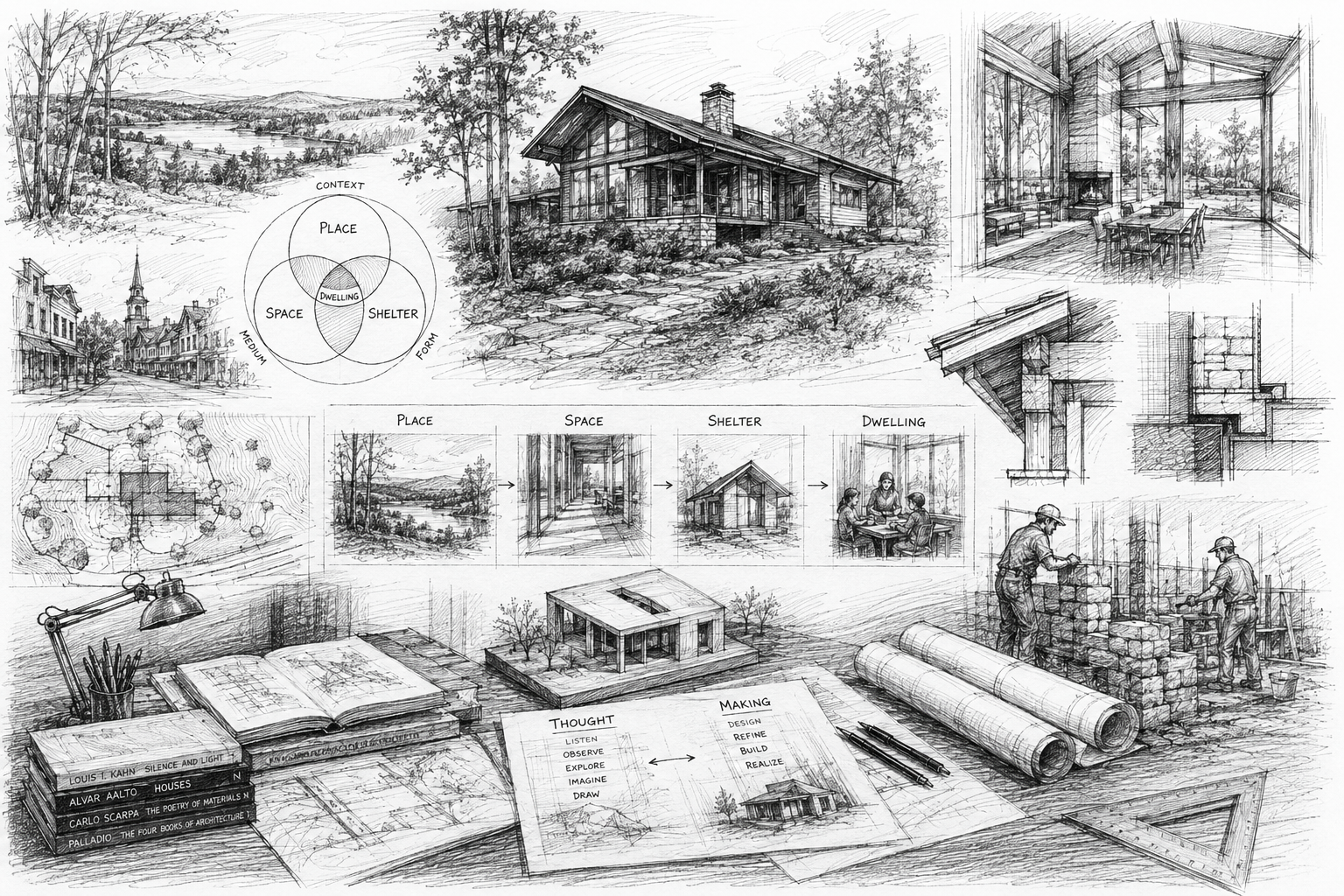
Although this proposition appears simple, it encompasses the entirety of architecture. Every architectural work, regardless of size, purpose, style, or era, participates in the making of Place, the shaping of Space, and the provision of Shelter.
Yet architecture is not an end in itself.
Place, Space, and Shelter exist in service of human habitation.
The purpose of architecture is not merely to construct buildings, but to improve the quality of human experience.
PLACE
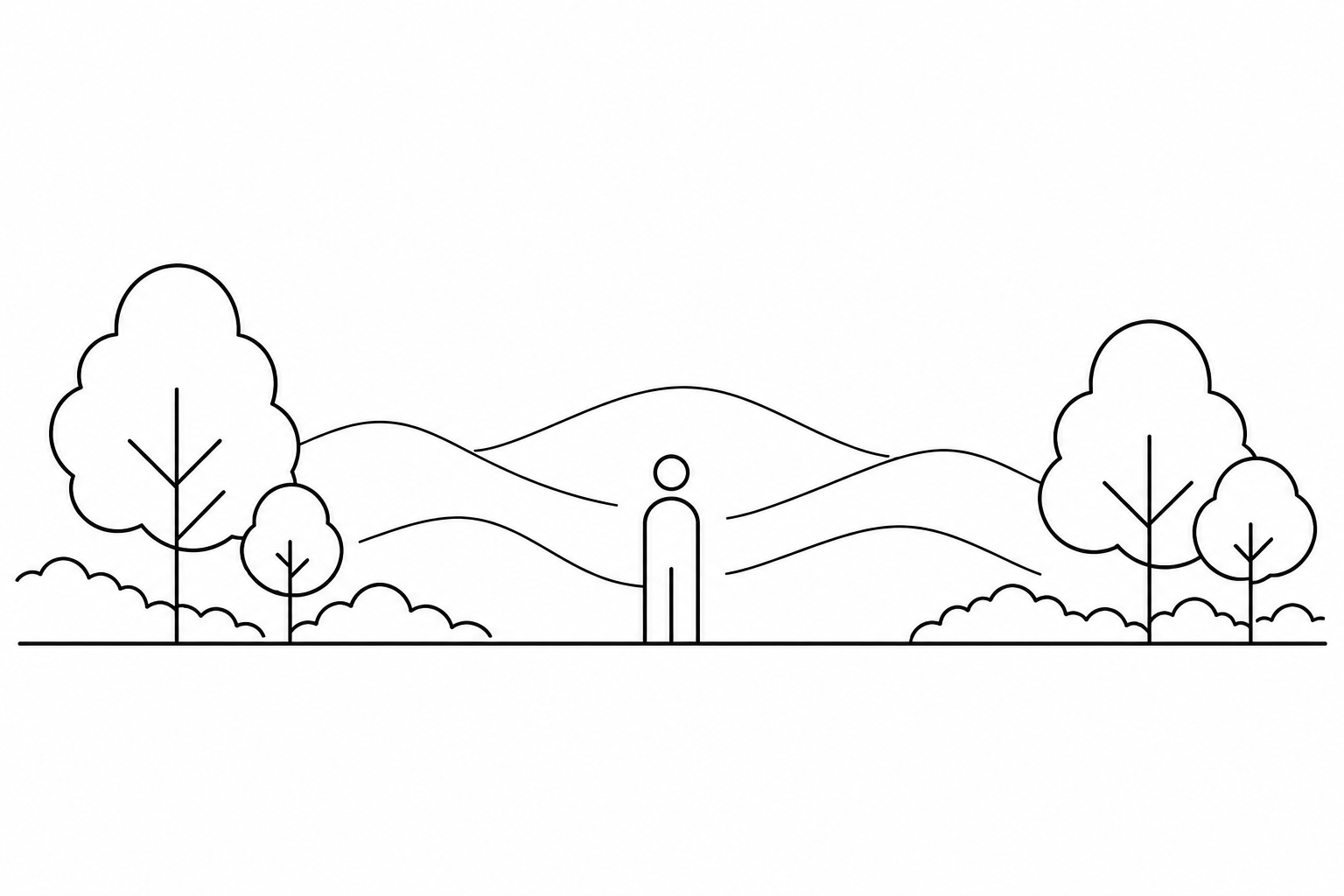
Architecture begins with Place. Before a building exists, there is already a landscape, a climate, a history, and a particular set of conditions that define a location. These conditions form the context from which architecture emerges.
A Place is more than a point on a map. It possesses character shaped by geography, culture, memory, and human experience. The architect's responsibility is not simply to occupy a Place, but to understand, respond thoughtfully, and contribute meaningfully to it.
Good architecture belongs to its Place.
SPACE
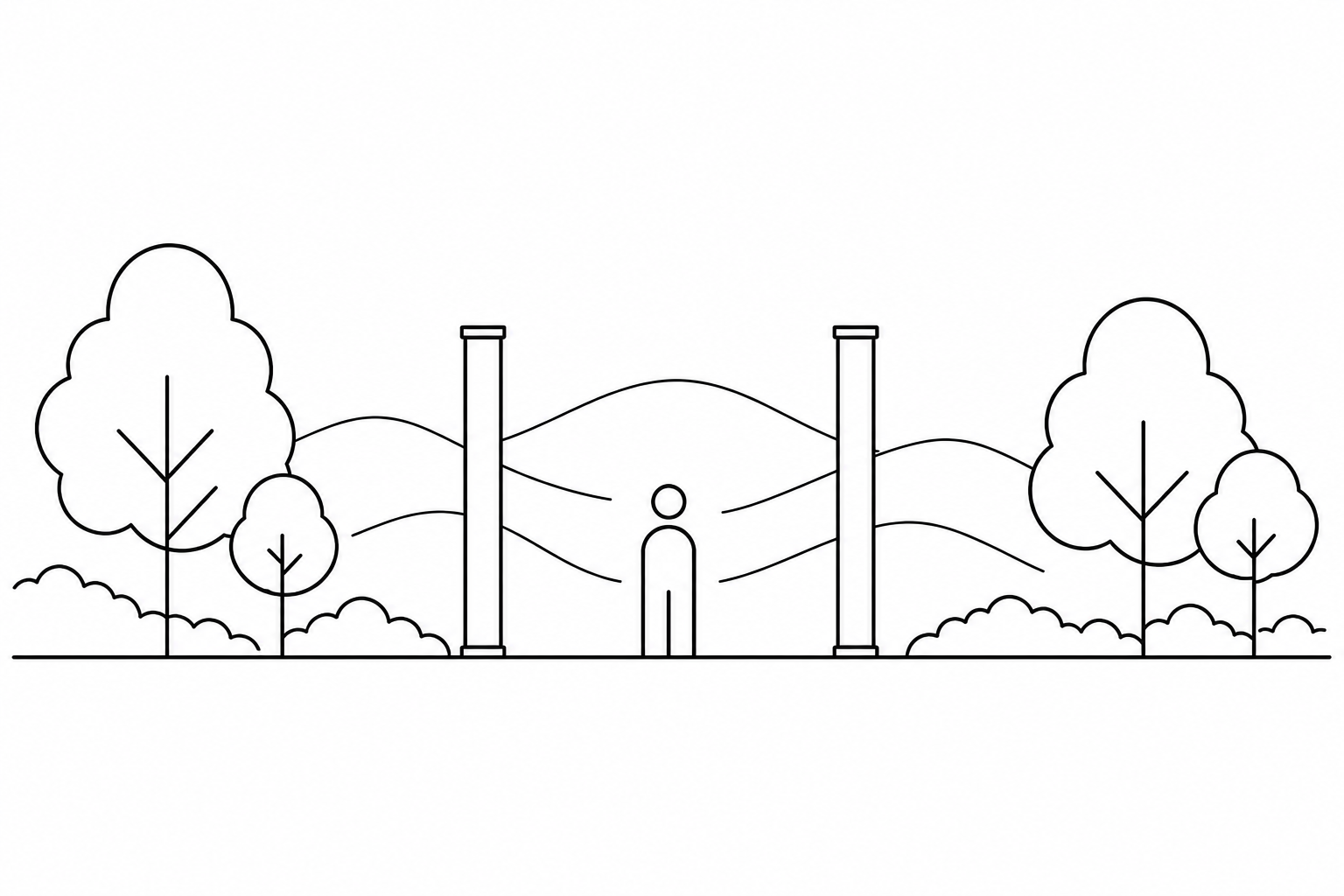
If Place provides context, Space provides the medium of architecture. Although buildings are physical objects, architecture is experienced primarily through the Spaces they create.
Space is where life unfolds. People gather, work, learn, celebrate, rest, and dwell within Spaces. Scale, proportion, light, movement, and relationship influence how architecture is perceived and shape our experience of it.
The architect's task is therefore not merely the arrangement of walls and rooms, but the thoughtful organization of human experience.
Good architecture accommodates activity. Great architecture enriches experience.
SHELTER
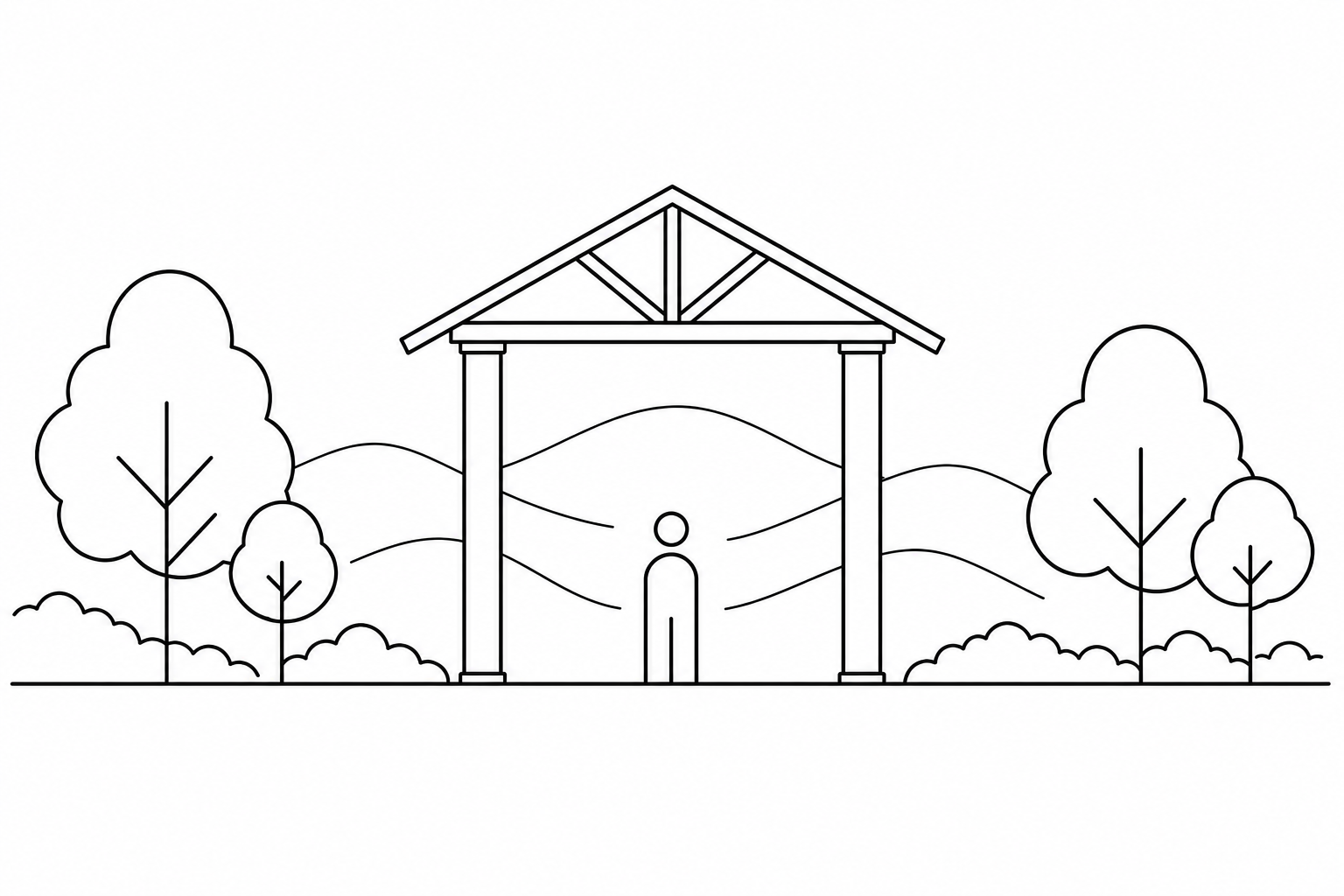
If Place establishes context and Space provides the medium, Shelter gives architecture form.
Shelter is architecture's oldest responsibility. It provides protection, comfort, and refuge. Yet Shelter extends beyond physical enclosure. The quality of Shelter is measured not only by how well it protects the body but by how well it supports the people who inhabit it.
Structure, material, construction, and craft all contribute to this responsibility.
Good architecture protects. Great architecture also uplifts.
DWELLING
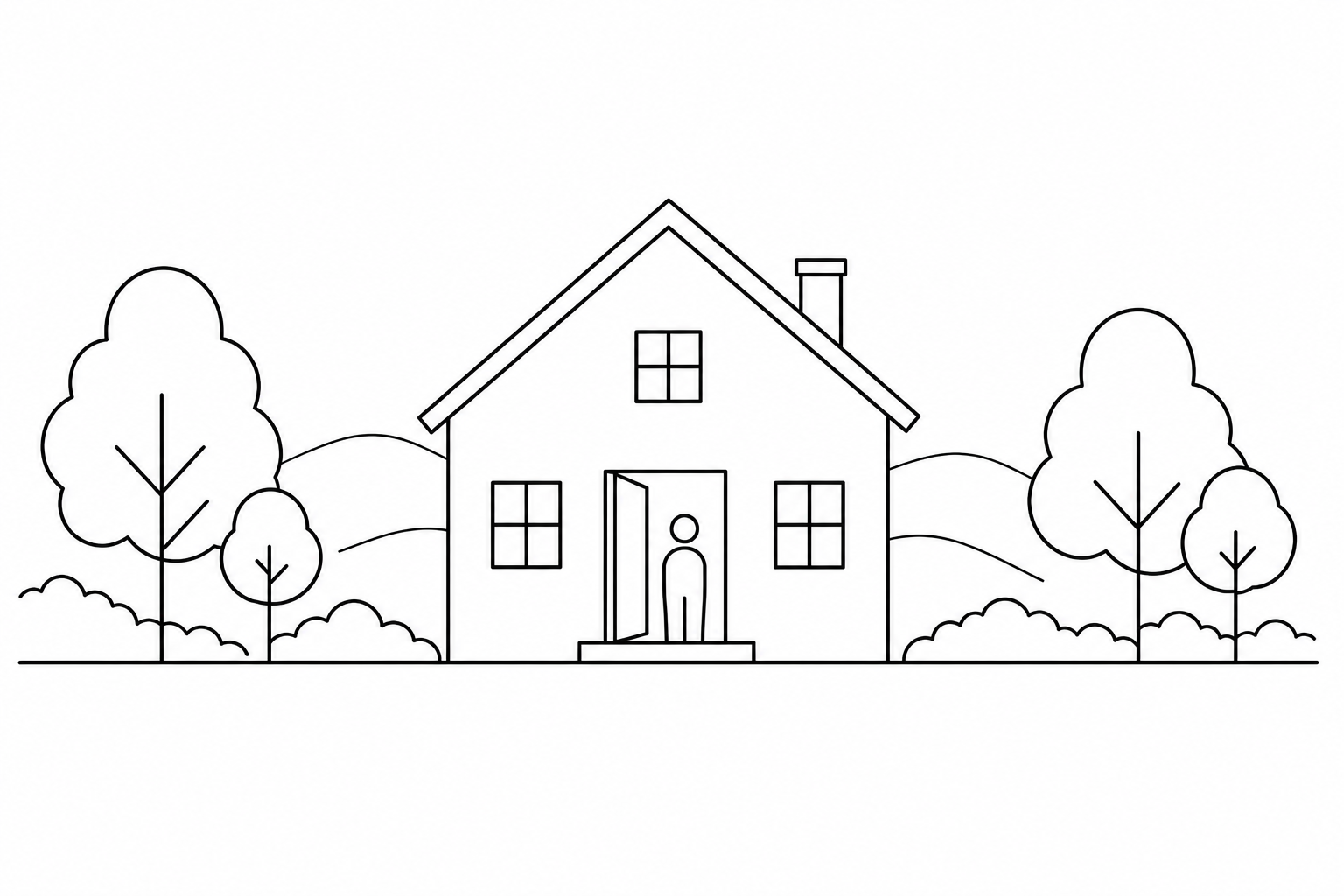
Place, Space, and Shelter are not ends in themselves. They exist in service of a higher purpose: Dwelling.
Humans do not merely occupy buildings. They inhabit Places. They experience Spaces. They seek Shelter.
Architecture acquires meaning when these elements come together to support life in all its practical, emotional, social, and cultural dimensions.
The success of architecture is therefore measured not solely by what is built, but by the lives it supports.
QUALITY
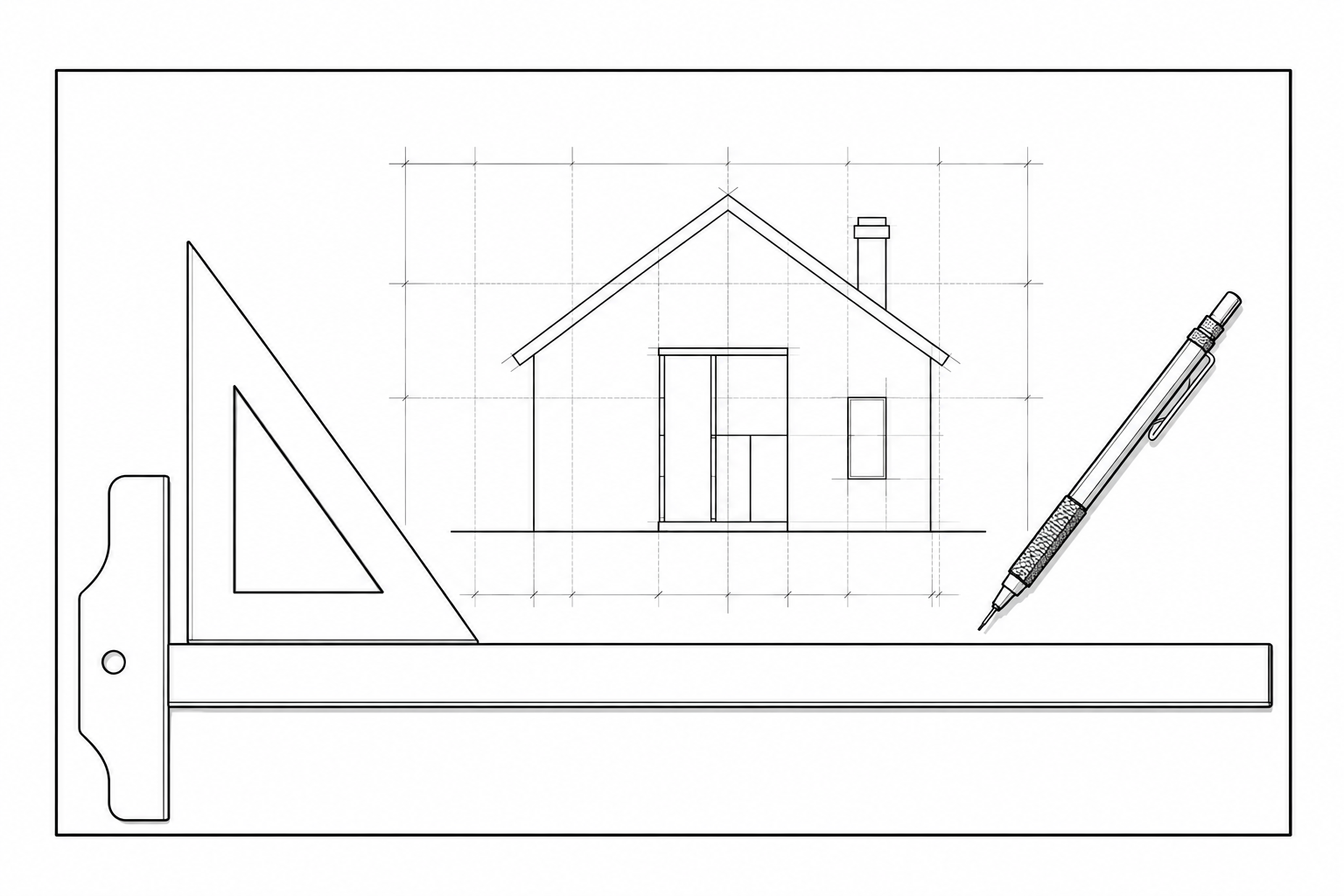
Quality distinguishes architecture from construction alone.
Construction determines how something is built. Architecture determines what is built and why.
Quality emerges through the thoughtful integration of Place, Space, and Shelter. It is found in proportion, light, material honesty, craftsmanship, and the careful resolution of countless decisions brought together into a coherent whole.
Quality is not a feature. It is the result of thoughtful judgment exercised throughout the design and construction processes.
THE WORKSHOP
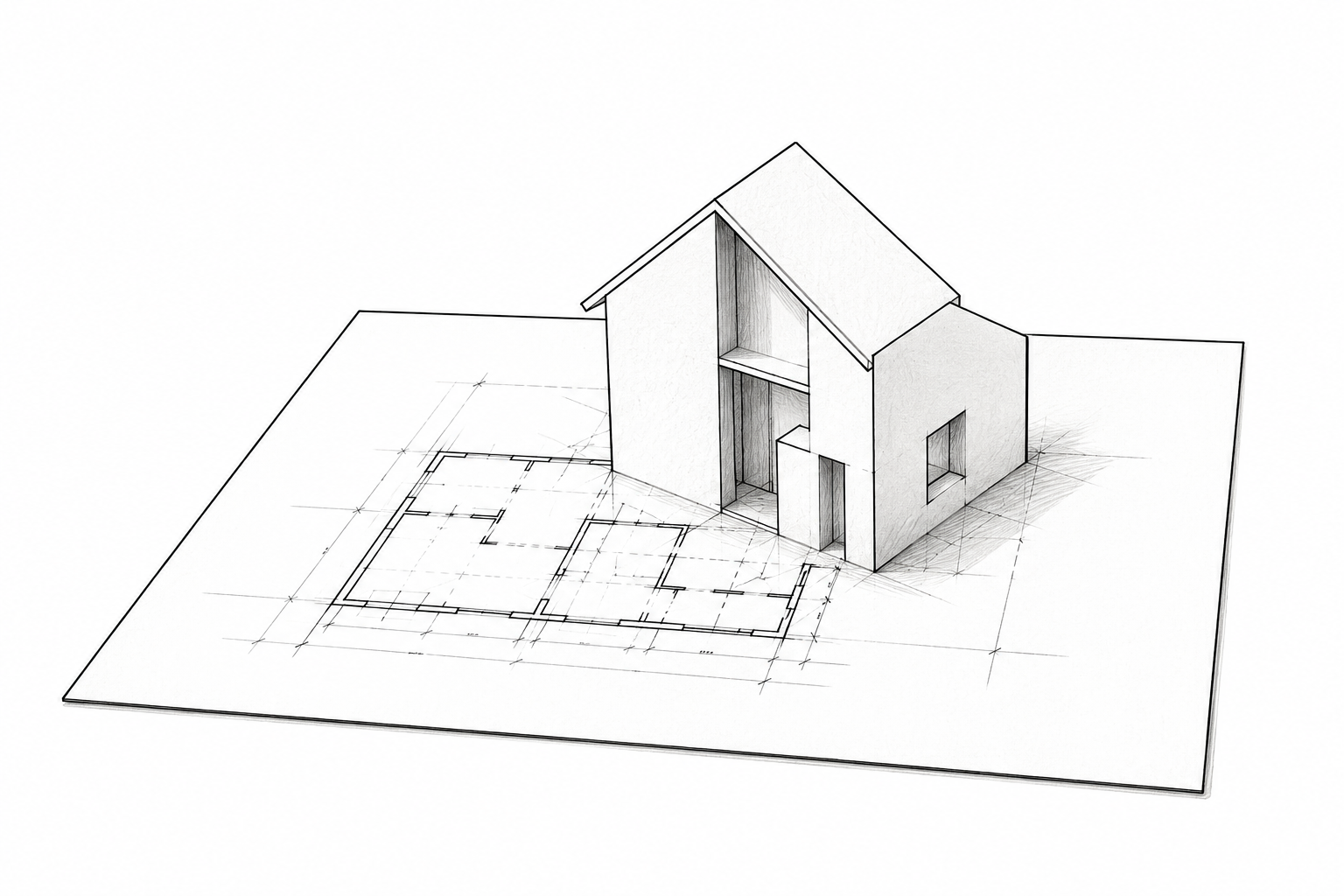
Architecture exists at the intersection of thought and making. Ideas alone are not architecture.
Construction alone is not architecture. Architecture emerges through the thoughtful integration of both.
The Workshop is where this process occurs. Projects begin with listening, observation, and exploration.
Through sketches, drawings, models, discussion, and construction, ideas are gradually refined and brought into reality.
The Workshop is where thought becomes form.
THE MEASURE OF ARCHITECTURE
Architecture is one of humanity’s enduring acts of civilization. Through architecture, we transform the world from a landscape merely occupied into one consciously inhabited.
Long before architecture existed, people sought shelter from the natural world. Over time, building evolved beyond necessity and became a deliberate act of shaping the world we inhabit. Architecture emerged when the creation of shelter became the intentional design and building of Places, Spaces, and Shelters for human habitation.
Place provides context. Space provides the medium. Shelter provides form. Together, they create the conditions necessary for dwelling.
The measure of architecture is the quality of human experience it supports. It serves immediate needs while shaping the environments that influence our lives, our communities, and our collective experience.
The architect's responsibility is both practical and profound: to thoughtfully design and build Places, Spaces, and Shelters that improve the quality of human habitation and leave the world better placed than it was found.
Architecture is an ongoing study…
Explore additional essays, observations, and reflections from The Workshop.
Every project begins with a conversation…
I would be happy to hear your thoughts and discuss your project.